


10 Best Kenya & Tanzania Migration Safaris Tours 2026–2028
The best Kenya and Tanzania migration safaris for 2026–2028 combine the Masai Mara in Kenya and the Serengeti National Park in Tanzania to follow the Great Migration. These tours offer Big Five wildlife viewing, river crossings, luxury and budget options, and can be customised for families, couples, or private safaris. The best time to visit is July to October for river crossings and January to March for calving season in the Southern Serengeti.
The 10 best Kenya & Tanzania migration safaris tours 2026–2028 offer one of the most extraordinary wildlife experiences on Earth—following over 1.5 million wildebeest, zebras, and gazelles across the vast plains of East Africa. These carefully designed safari packages combine the iconic Masai Mara in Kenya with the legendary Serengeti National Park in Tanzania, creating the ultimate Great Migration safari experience.
Travellers choosing these Kenya Tanzania safari packages enjoy unmatched Big Five wildlife viewing, dramatic river crossings, predator action, and breathtaking landscapes. Whether you are planning a luxury migration safari, a budget group safari, or a private tailor-made tour, these itineraries are crafted to maximise wildlife encounters while ensuring comfort and efficiency.
Explore options through our Kenya Safari Packages and Tanzania Safari Packages, or combine both destinations seamlessly with our Kenya Tanzania Safari Tour Packages.
This guide highlights the top migration safari tours, pricing, best travel seasons, and expert insights to help you choose the perfect East Africa safari.
Expert Insight: When & Where to See the Migration
From years of safari planning experience, the biggest mistake travellers make is assuming the migration happens in one place year-round. In reality, the movement is seasonal:
- July–October → Masai Mara & Northern Serengeti (river crossings)
- January–March → Southern Serengeti (calving season)
– Choosing the right location at the right time is the key to an unforgettable safari.
10 BEST KENYA & TANZANIA MIGRATION SAFARI TOURS
1. 5 Days Masai Mara Great Migration Safari
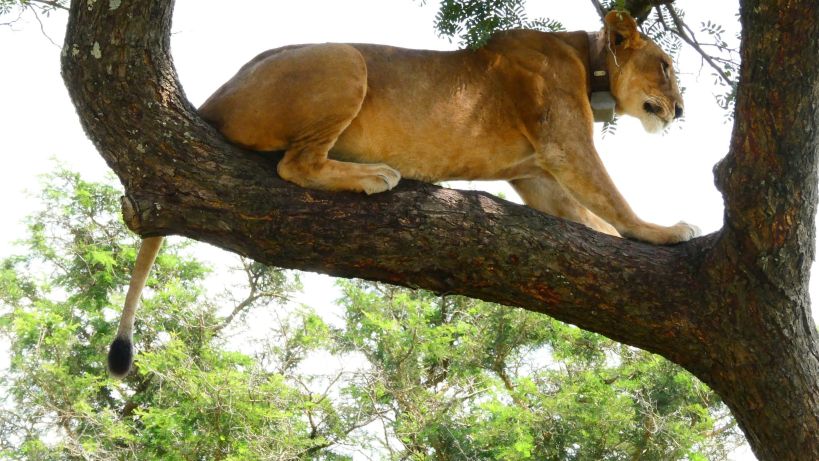
This 5-day Masai Mara migration safari is perfect for travellers with limited time who still want to witness the world-famous Great Migration. Starting from Nairobi, you’ll drive through the scenic Rift Valley into the Masai Mara, home to the Big Five and dramatic river crossings between July and October. Expect full-day game drives, close encounters with lions, elephants, and cheetahs, and the chance to witness wildebeest crossing crocodile-infested rivers. Optional hot air balloon safaris add a unique aerial perspective. This is one of the best short Kenya migration safari packages.
2. 7 Days Kenya Tanzania Migration Safari
This 7-day Kenya Tanzania migration safari combines the Masai Mara and Serengeti for a true cross-border wildlife experience. Begin in Kenya’s Masai Mara for Big Five sightings before crossing into Tanzania’s Serengeti, where vast plains host millions of migrating animals. The itinerary is designed to maximize game-viewing time while minimizing long travel hours. You’ll experience predator action, open savannah landscapes, and seasonal migration movements. Ideal for first-time visitors, this safari offers a balanced introduction to East Africa’s most iconic wildlife destinations.
3. 10 Days Kenya Tanzania Migration Safari
This 10-day Kenya and Tanzania migration safari is one of the most popular routes, combining the Masai Mara, Serengeti, and Ngorongoro Crater. The journey offers an immersive wildlife experience with extended time in both ecosystems, increasing your chances of witnessing the Great Migration. You’ll enjoy diverse landscapes—from rolling savannahs to volcanic craters—and exceptional Big Five sightings. The itinerary is carefully structured to reduce backtracking while maximising safari time, making it ideal for travellers seeking a complete East Africa safari experience.
4. 12 Days Big Five & Migration Safari
This 12-day safari expands your migration experience with additional nights in key parks, including Lake Nakuru and Amboseli. You’ll track the Great Migration across the Masai Mara and Serengeti while also enjoying rhino sightings in Nakuru and elephant herds in Amboseli with Mount Kilimanjaro as a backdrop. With more time in each destination, this itinerary offers deeper exploration, relaxed pacing, and enhanced wildlife encounters. It’s ideal for travellers who want both migration action and diverse landscapes across Kenya and Tanzania.
5. 14 Days Migration & Zanzibar Beach Safari
This 14-day Kenya Tanzania migration safari with Zanzibar extension combines thrilling wildlife adventures with relaxing beach time. After exploring the Masai Mara, Serengeti, and Ngorongoro Crater, you’ll fly to Zanzibar to unwind on white sandy beaches along the Indian Ocean. This itinerary is perfect for honeymooners, couples, and families seeking a mix of safari and tropical relaxation. It balances intense game drives with leisure time, offering one of the best-value safari and beach combinations in East Africa.
6. 6 Days Serengeti Migration Safari
This 6-day Serengeti migration safari focuses entirely on Tanzania’s top wildlife destinations. You’ll explore the Serengeti National Park and Ngorongoro Crater, following migration herds depending on the season. With fewer travel days and more time in the field, this itinerary maximises wildlife viewing opportunities. Expect sightings of lions, leopards, elephants, and large herds of wildebeest and zebras. This is an excellent option for travellers who prefer a Tanzania-only safari with strong migration potential.
7. 8 Days Luxury Migration Safari
This 8-day luxury migration safari offers an exclusive experience with premium lodges, private game drives, and personalised service. You’ll explore the Serengeti and Masai Mara in comfort, often flying between parks to save time. Accommodation includes high-end tented camps with stunning views of migration routes. Ideal for couples and luxury travellers, this safari combines top-tier hospitality with world-class wildlife viewing, making it one of the most refined ways to experience the Great Migration.
8. 9 Days Migration & Ngorongoro Safari
This 9-day safari combines the Serengeti migration with the unique ecosystem of Ngorongoro Crater. After tracking migration herds in Serengeti, you’ll descend into the crater, home to dense wildlife populations including rhinos, lions, and buffalo. The itinerary offers a perfect mix of open plains and enclosed ecosystems, providing varied wildlife experiences. It’s ideal for travellers looking to combine migration viewing with one of Africa’s most iconic conservation areas.
9. 11 Days Migration & Amboseli Safari
This 11-day safari blends the Great Migration experience with Amboseli’s famous elephant herds and views of Mount Kilimanjaro. Starting in Kenya, you’ll explore the Masai Mara before heading to Amboseli and then continuing into Tanzania’s Serengeti. This itinerary offers diverse landscapes, from marshlands to open plains, and excellent photography opportunities. It’s ideal for travellers who want both migration action and iconic African scenery in one journey.
10. 15 Days Ultimate Migration Safari
This 15-day ultimate migration safari is the most comprehensive itinerary, covering all major parks in Kenya and Tanzania. You’ll experience the Masai Mara, Serengeti, Ngorongoro, Lake Nakuru, and Amboseli in one seamless journey. With extended stays in key locations, this safari maximises your chances of witnessing different stages of the Great Migration. It’s perfect for travellers who want a once-in-a-lifetime, in-depth safari experience with no rush and maximum wildlife exposure.
Sample Kenya & Tanzania Migration Safari Route Map
A well-planned Kenya and Tanzania migration safari should follow the natural flow of the Great Migration while reducing unnecessary backtracking. The best route depends on the month of travel, but the most popular circuit combines Nairobi, Masai Mara, Serengeti, Ngorongoro Crater, and Arusha or Zanzibar.
Classic 10–12 Day Migration Safari Route
Nairobi → Masai Mara → Serengeti → Ngorongoro Crater → Arusha / Zanzibar
This route is ideal for travellers who want to experience both the Masai Mara migration safari and the Serengeti migration safari in one journey. It offers Big Five game drives, possible river crossings, predator action, scenic landscapes, and the option to end with a Zanzibar beach holiday.
Suggested Route Flow
| Day | Destination | Experience |
|---|---|---|
| Day 1 | Nairobi | Arrival, briefing, overnight stay |
| Day 2–4 | Masai Mara | Great Migration, Big Five, Mara River sightings |
| Day 5 | Masai Mara to Serengeti | Cross-border transfer or optional flight |
| Day 6–8 | Serengeti | Migration herds, lions, cheetahs, open plains |
| Day 9 | Serengeti to Ngorongoro | Scenic drive, optional Olduvai Gorge visit |
| Day 10 | Ngorongoro Crater | Crater game drive, rhinos, lions, elephants |
| Day 11 | Arusha / Zanzibar | Departure or beach extension |
For travellers who prefer a smoother cross-border safari, our Kenya Tanzania Safari Tour Packages can be customised with road transfers, regional flights, private vehicles, or luxury lodge upgrades.
Local Guide Insight
If your main goal is the dramatic river crossings, plan your safari between July and October and spend at least 3 nights in Masai Mara or Northern Serengeti. If you travel between January and March, focus more on Southern Serengeti and Ndutu for calving season and predator action.
How to Plan a Kenya & Tanzania Migration Safari
Planning the best Kenya and Tanzania migration safari requires more than choosing famous parks. You need to match your travel month with the migration location, select the right accommodation, understand cross-border logistics, and decide whether a road safari or fly-in safari is best for your comfort and budget.
Step 1: Choose the Right Migration Season
The Great Migration moves throughout the year, so timing is critical. For river crossings, July to October is best for Masai Mara and Northern Serengeti. For calving season, January to March is best for Southern Serengeti and Ndutu.
For a deeper seasonal guide, link naturally to your Best Time to Visit East Africa page.
Step 2: Decide Between Kenya, Tanzania, or Both
Kenya is excellent for Masai Mara migration safaris, Big Five sightings, and shorter itineraries from Nairobi. Tanzania is best for Serengeti migration safaris, Ngorongoro Crater, calving season, and longer wilderness experiences.
Travellers with 7–15 days should consider combining both through Kenya Safari Packages amd Tanzania Safari Packages for a complete migration safari.
Step 3: Choose Your Safari Style
You can plan your Kenya and Tanzania migration safari as a budget group tour, mid-range private safari, luxury lodge safari, or fly-in migration safari. Budget tours are cost-effective, mid-range safaris offer the best value, and luxury safaris provide premium camps, private guiding, and better access to remote migration areas.
Step 4: Plan Cross-Border Logistics Carefully
The Masai Mara and Serengeti are connected, but cross-border travel requires careful planning. Road transfers usually pass through Isebania, while fly-in options save time and reduce fatigue. Families, honeymooners, and older travellers often prefer flying between Masai Mara and Serengeti for comfort.
Step 5: Allow Enough Nights in Key Parks
Avoid rushing. For the best migration experience, spend at least:
| Destination | Recommended Nights |
|---|---|
| Masai Mara | 2–3 nights |
| Serengeti | 3–4 nights |
| Ngorongoro Crater | 1–2 nights |
| Amboseli or Lake Nakuru | 1–2 nights |
Step 6: Book Early for Peak Season
July to October is peak migration season, and the best lodges near river crossing points sell out early. Booking 6–12 months in advance gives you better camp choices, better vehicle planning, and stronger value.
Expert Planning Tip
The best Kenya and Tanzania migration safari is not always the longest itinerary. It is the one that places you in the right migration zone at the right time, with enough nights to enjoy sightings without rushing.
The Serengeti ecosystem is one of the most important wildlife regions in Africa, supporting millions of migrating animals each year. To better understand conservation efforts and ecosystem protection, you can explore the Serengeti National Park conservation information.
Mistakes to Avoid When Planning a Kenya & Tanzania Migration Safari
Planning a Kenya and Tanzania migration safari can be overwhelming, especially for first-time travellers. Avoiding the common mistakes below will help you maximise your wildlife experience, manage your budget, and ensure a smooth, stress-free safari.
1. Travelling at the Wrong Time for the Migration
The Great Migration is not in one place all year. Many travellers book based on general “best time” advice and miss the action.
- July–October: Best for river crossings (Masai Mara & Northern Serengeti)
- January–March: Best for calving season (Southern Serengeti)
Always match your itinerary to the migration calendar, not just your travel dates.
2. Trying to Visit Too Many Parks
A common mistake is squeezing too many destinations into a short itinerary. This leads to:
- Long, exhausting drives
- Less time for game drives
- Reduced wildlife sightings
Focus on fewer parks with more nights (2–3 per location) for a better safari experience.
3. Underestimating Travel Distances
East Africa is vast. Some transfers take 5–8 hours by road, especially between the Masai Mara and the Serengeti.
Consider mixing road safaris with regional flights to save time and increase comfort.
4. Booking Without Local Expertise
Global platforms often lack detailed, real-time knowledge of:
- Migration movement
- Lodge positioning
- Road conditions
- Park crowd levels
Working with a local safari expert ensures you are in the right place at the right time.
5. Choosing the Wrong Safari Type
Not all safaris are the same:
- Budget group safari: cheaper but less flexible
- Private safari: more personalised experience
- Luxury safari: best comfort and location
Choose based on your expectations—not just price.
6. Ignoring Seasonal Price Differences
Safari costs vary significantly by season:
| Season | Impact |
|---|---|
| Peak (Jul–Oct) | Highest prices (migration season) |
| Low (Apr–May) | Cheapest but rainy |
| Shoulder (Nov–Dec) | Moderate pricing |
Booking in the right season can save thousands of dollars.
7. Not Booking Early for Peak Season
Top lodges in Masai Mara and Serengeti (especially near river crossings) sell out 6–12 months in advance.
Last-minute bookings often mean:
- Higher prices
- Limited accommodation choices
- Poor migration positioning
8. Skipping Key Experiences
Many travellers miss out on:
- Hot air balloon safaris
- Cultural Maasai village visits
- Crater tours in Ngorongoro
These experiences add depth and uniqueness to your safari.
9. Overlooking Park Entry Costs
Park fees can be one of the biggest expenses:
- Masai Mara: up to ~$200 per person/day
- Serengeti & Ngorongoro: significant conservation fees
Always request a clear cost breakdown before booking.
10. Packing the Wrong Gear
Poor packing can affect comfort and experience:
- Bright colors can scare wildlife
- Heavy luggage is restricted on flights
- Lack of warm clothing for early drives
Stick to neutral colours and lightweight packing
Expert Insight
From experience, the biggest mistake travellers make is focusing only on price instead of timing and route design. A slightly higher budget safari that places you correctly within the migration will deliver a far better experience than a cheaper safari in the wrong location.
The best safari is not the cheapest—it’s the best planned.
KENYA & TANZANIA MIGRATION SAFARI PRICE COMPARISON (2026–2028)
Understanding safari pricing is essential when choosing the best Kenya & Tanzania migration safari. Costs vary depending on accommodation level, travel style, season, and whether your safari is private or group-based.
Average Safari Price Breakdown (Per Person)
| Safari Type | Duration | Budget (Group) | Mid-Range (Private) | Luxury (Fly-in / Premium) |
|---|---|---|---|---|
| 5 Days Masai Mara Migration | 5 Days | $1,200 – $1,800 | $2,200 – $3,500 | $4,500 – $7,500 |
| 7 Days Kenya Migration Safari | 7 Days | $1,800 – $2,800 | $3,200 – $5,000 | $6,000 – $9,500 |
| 7 Days Kenya + Tanzania | 7 Days | $2,500 – $3,500 | $4,500 – $6,500 | $7,500 – $11,000 |
| 10 Days Kenya Tanzania Migration | 10 Days | $3,200 – $4,500 | $5,500 – $7,500 | $9,000 – $13,000 |
| 12 Days Big Five + Migration | 12 Days | $3,800 – $5,500 | $6,500 – $9,000 | $10,000 – $15,000 |
| 14 Days Migration + Zanzibar | 14 Days | $4,800 – $6,500 | $7,500 – $10,500 | $11,500 – $18,000 |
| 6 Days Serengeti Migration | 6 Days | $1,800 – $2,500 | $3,000 – $4,500 | $5,500 – $9,000 |
| 8 Days Luxury Migration Safari | 8 Days | — | $5,500 – $7,500 | $8,500 – $14,000 |
| 9 Days Migration + Ngorongoro | 9 Days | $2,800 – $4,200 | $4,500 – $6,500 | $7,500 – $11,500 |
| 15 Days Ultimate Migration Safari | 15 Days | $5,500 – $7,500 | $8,500 – $12,500 | $12,000 – $20,000+ |
Daily Safari Cost Guide (2026 Reality)
- Budget safari: $150 – $350 per person/day
- Mid-range safari: $300 – $700 per person/day
- Luxury safari: $800 – $2,000+ per person/day
Most Kenya–Tanzania migration safaris (10–14 days) cost $4,000 – $8,000 mid-range, depending on lodges and season
WHAT AFFECTS THE PRICE MOST
1. Season (Biggest Factor)
- Peak (July–Oct migration): Highest prices
- Low season (April–May): Cheapest
2. Accommodation Level
- Budget → Camps & shared lodges
- Mid-range → Comfortable lodges
- Luxury → Premium camps + fly-in
3. Transport Type
- Road safari → cheaper
- Fly-in safari → faster but expensive
4. Park Fees
- Masai Mara: up to ~$200/day
- Serengeti + Ngorongoro → higher conservation fees
5. Group vs Private
- Group → cheaper (shared cost)
- Private → more flexible, higher cost
EXPERT INSIGHT
From experience, the best value safari is mid-range private.
✔ You get a private 4×4 vehicle
✔ Better lodges
✔ Flexible game drives
It’s the perfect balance between cost and experience
WHY CHOOSE THIS MIGRATION SAFARI
- Follow the Great Migration across two countries
- See Big Five wildlife
- Expert-guided safaris
- Flexible itineraries
- Private & group options
Best Time to Visit Kenya & Tanzania for Migration Safari (2026–2028)
Choosing the best time to visit Kenya and Tanzania for a migration safari is the most important factor in determining your experience. The Great Migration is a year-round movement, but different locations offer different highlights depending on the season.
The key is simple: follow the migration—not the calendar.
July – October (Peak Season – River Crossings)
Best for: Masai Mara & Northern Serengeti
Highlights: Dramatic river crossings, Big Five sightings, predator action
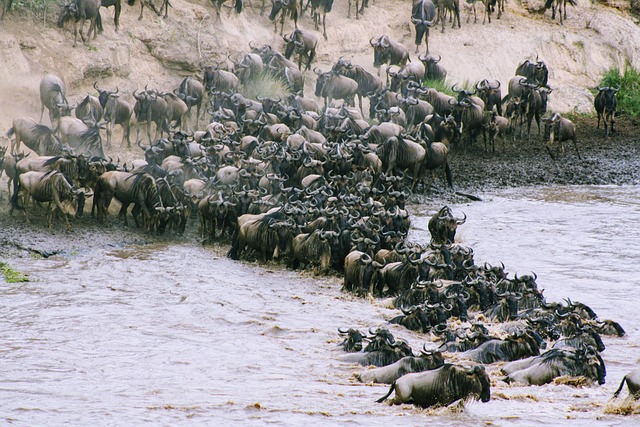
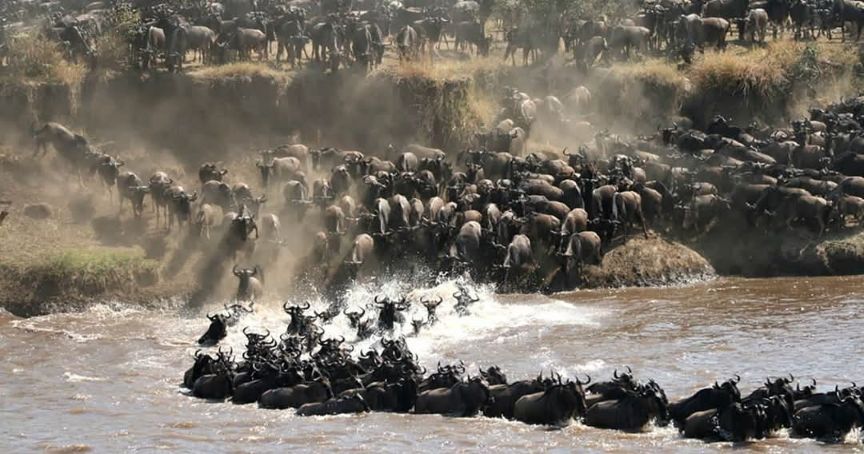
This is the most popular time for a Kenya & Tanzania migration safari, when thousands of wildebeest cross crocodile-filled rivers in both the Masai Mara and Northern Serengeti. Wildlife density is extremely high, and game viewing is at its best.
✔ Best for photographers and first-time safari travellers
✔ Peak season → book 6–12 months in advance
January – March (Calving Season – Southern Serengeti)
Best for: Ndutu & Southern Serengeti
Highlights: Birth of wildebeest calves, predator activity
During this period, the migration moves to the southern Serengeti, where thousands of calves are born daily. This attracts predators like lions, cheetahs, and hyenas, making it one of the most action-packed safari experiences.
✔ Best for predator sightings
✔ Less crowded than peak season
June & November – December (Shoulder Season)
Best for: Balanced experience, fewer crowds
Highlights: Good wildlife viewing, lower prices
These months offer a great balance between cost and experience. The migration is on the move, and while river crossings are less predictable, wildlife viewing remains excellent.
✔ Moderate pricing
✔ Ideal for repeat travellers
April – May (Low Season)
Best for: Budget travellers
Highlights: Green landscapes, fewer tourists
This is the rainy season, and while some lodges close, prices are significantly lower. Wildlife is still present, but road conditions can be challenging in certain areas.
✔ Lowest prices of the year
✔ Best for experienced travellers
MONTH-BY-MONTH MIGRATION GUIDE
| Month | Location | Experience |
|---|---|---|
| Jan – Mar | Southern Serengeti | Calving season & predators |
| Apr – May | Central Serengeti | Green season, fewer crowds |
| Jun | Western Serengeti | Migration moving north |
| Jul – Oct | Masai Mara & North Serengeti | River crossings |
| Nov – Dec | Central/Southern Serengeti | Migration returns south |
Expert Insight
From experience, the biggest mistake travellers make is choosing dates without understanding where the migration will be.
A well-timed safari with fewer days can be far more rewarding than a longer safari in the wrong location.
If your goal is river crossings, prioritize Masai Mara or Northern Serengeti between July and October. If you want intense predator action, choose Southern Serengeti between January and March.
For a deeper breakdown of seasons, weather, and park-by-park timing, explore our Best Time to Visit East Africa guide.
Safari Packing List for Kenya & Tanzania Migration Safaris (2026–2028)
Packing smartly for a Kenya and Tanzania migration safari ensures comfort during early morning game drives, long travel days, and changing weather conditions across the Masai Mara and Serengeti ecosystems. Whether you’re on a budget group tour or a luxury fly-in safari, this packing list covers all essentials for a smooth and enjoyable experience.
Clothing Essentials (Safari-Friendly)
- Lightweight, breathable clothing (cotton or moisture-wicking fabrics)
- Neutral colors (khaki, beige, olive green – avoid bright colors)
- Long-sleeve shirts (sun & insect protection)
- Warm jacket or fleece (early morning & evening game drives can be cold)
- Comfortable trousers & shorts
- Hat or cap (sun protection)
- Swimwear (for lodges with pools)
Tip: Layering is key—temperatures can change quickly between morning and midday.
Footwear
- Comfortable walking shoes or light hiking boots
- Sandals or flip-flops for relaxing at the lodge
Toiletries & Health Essentials
- Sunscreen (SPF 30–50 recommended)
- Insect repellent (DEET or natural alternative)
- Personal medications
- Hand sanitizer & wet wipes
- Lip balm & moisturizer (dry safari conditions)
Safari Gear & Accessories
- Camera with extra batteries & memory cards
- Binoculars (essential for spotting distant wildlife)
- Power bank or portable charger
- Travel adapter (Type G – UK plug for Kenya & Tanzania)
- Sunglasses (UV protection)
- Small daypack for daily excursions
Important Travel Documents
- Passport (valid for at least 6 months)
- Visa (Kenya/Tanzania if required)
- Yellow fever vaccination certificate
- Travel insurance documents
- Flight tickets & booking confirmations
Optional but Highly Recommended
- Light scarf or buff (dust protection)
- Reusable water bottle
- Notebook or safari journal
- Binocular harness (for comfort during game drives)
What NOT to Pack
- Bright or flashy clothing (can disturb wildlife)
- Camouflage clothing (restricted in some countries)
- Heavy luggage (especially for internal flights with 15kg limits)
- Plastic bags (banned in Kenya)
Expert Packing Insight
From experience, overpacking is one of the most common mistakes travellers make. Most safari lodges offer laundry services, so packing light is not only easier but more practical—especially for fly-in safaris with strict luggage limits.
Focus on versatile clothing and essential gear rather than quantity.
For more preparation tips, routes, and safari logistics, explore our East Africa Safari Travel Guide .
Safari Expert Author
👤 About the Author – John Peter (East Africa Safari Expert)
John Peter is a senior safari consultant and operations manager at Paradise Africa Safari, with over 10+ years of hands-on experience designing and coordinating Kenya and Tanzania migration safaris. Based in East Africa, he has personally planned and managed hundreds of safari journeys across the Masai Mara, Serengeti National Park, Ngorongoro Crater, and Amboseli.
John specializes in Great Migration safaris, helping travellers experience river crossings in the Masai Mara and Northern Serengeti as well as calving season in Southern Serengeti and Ndutu. His deep understanding of wildlife movement, park logistics, and seasonal patterns allows him to design itineraries that place travellers in the right location at the right time.
Having worked closely with top lodges, camps, and highly experienced guides, John ensures every safari is well-paced, comfortable, and focused on delivering exceptional wildlife encounters. His approach emphasizes honest advice, transparent pricing, and personalized safari planning tailored to each traveller’s interests, budget, and travel style.
Local Guide Insight
“One of the biggest differences between a good safari and an unforgettable one is timing. The migration moves constantly, and choosing the right region—Masai Mara, Northern Serengeti, or Southern Serengeti—at the right time is what makes the experience truly special.”
— John Peter, Safari Expert
Why Trust This Guide?
- ✔ 10+ years of safari planning experience in Kenya & Tanzania
- ✔ Based in East Africa with real local expertise
- ✔ Specialist in Great Migration safari timing and routes
- ✔ Works directly with lodges, camps, and professional guides
- ✔ Trusted by international travellers (families, couples & groups)
Author Contribution
John also contributes to detailed safari planning resources such as the East Africa Safari Travel Guide , helping travellers understand routes, park combinations, and the best time to visit.
Kenya & Tanzania Migration Safari FAQs (2026–2028)
1. What is the best time to see the Great Migration in Kenya and Tanzania?
The best time depends on what you want to see. July–October is ideal for river crossings in the Masai Mara and Northern Serengeti, while January–March is best for calving season in the Southern Serengeti. For full timing details, see our Best Time to Visit East Africa guide.
2. How much does a Kenya & Tanzania migration safari cost?
Prices vary by duration, season, and comfort level. On average:
- Budget: $1,200–$3,500
- Mid-range: $4,000–$7,500
- Luxury: $8,000–$15,000+
Peak season (Jul–Oct) is more expensive due to high demand and park fees.
3. How many days do I need for a migration safari?
A good migration safari requires at least 7–10 days.
- 5–6 days → short Masai Mara or Serengeti trip
- 7–10 days → Kenya + Tanzania combination
- 12–15 days → full migration experience with Ngorongoro & Amboseli
4. Which is better: Masai Mara or Serengeti for migration?
Both are excellent but offer different experiences:
- Masai Mara (Kenya): Best for river crossings and shorter trips
- Serengeti (Tanzania): Larger ecosystem, better for calving and year-round migration
The best option is to combine both through the Kenya Tanzania Safari Tour Packages.
5. Can I see the Big Five during a migration safari?
Yes. Migration safaris offer excellent chances to see the Big Five:
- Lion
- Leopard
- Elephant
- Buffalo
- Rhino (best in Ngorongoro & Lake Nakuru)
6. Is a migration safari suitable for families?
Yes, Kenya and Tanzania safaris are family-friendly. Many lodges offer:
- Family rooms
- Child-friendly guides
- Flexible game drives
Private safaris are recommended for families for flexibility and comfort.
7. Do I need a visa for Kenya and Tanzania?
Most travellers require visas:
- Kenya: eVisa required
- Tanzania: Visa on arrival or eVisa
Requirements may change, so always confirm before travel.
8. What type of vehicle is used for safaris?
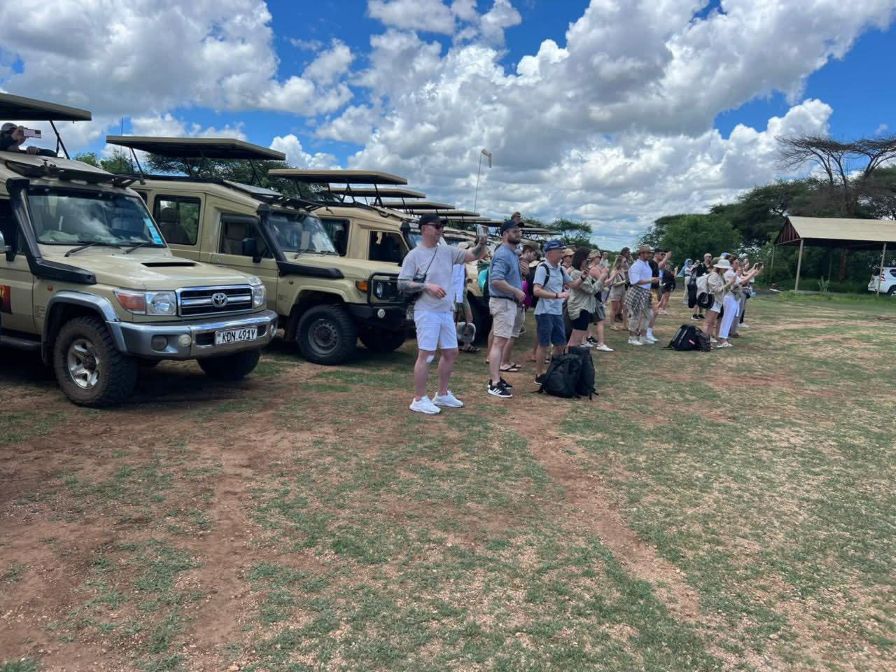
Most safaris use 4×4 Land Cruisers with pop-up roofs, designed for:
- Better wildlife viewing
- Comfort on rough terrain
- Photography opportunities
Private safaris offer exclusive vehicles and guides.
9. Should I choose a road safari or a fly-in safari?
- Road safari: More affordable, scenic
- Fly-in safari: Faster, more comfortable, less travel fatigue
Fly-in safaris are ideal for luxury travellers or shorter trips.
10. How far in advance should I book a migration safari?
For peak season (July–October), booking 6–12 months in advance is recommended.
This ensures:
- Better lodge selection
- Better pricing
- Access to prime migration locations
11. Are migration safaris available year-round?
Yes, but the migration moves:
- Jan–Mar → Southern Serengeti
- Jun → Western Serengeti
- Jul–Oct → Masai Mara & Northern Serengeti
- Nov–Dec → Central/Southern Serengeti
Timing determines the experience.
12. What should I pack for a migration safari?
Pack light with:
- Neutral-colored clothing
- Comfortable shoes
- Warm layers for early mornings
- Camera & binoculars
See our full East Africa Safari Travel Guide for preparation tips.
Plan Your Kenya & Tanzania Migration Safari (2026–2028)
Ready to experience the Great Migration across the Masai Mara and Serengeti? Our safari experts will design a personalized itinerary based on your travel dates, budget, and preferred level of comfort—whether you’re looking for a budget group tour, a mid-range private safari, or a luxury fly-in experience.
What You Get When You Book With Us
- ✔ Tailor-made Kenya & Tanzania migration safari itineraries
- ✔ Private 4×4 Land Cruiser with experienced safari guide
- ✔ Carefully selected lodges & camps (budget, mid-range & luxury)
- ✔ Seamless cross-border planning (Kenya ↔ Tanzania)
- ✔ Expert timing for Great Migration viewing (river crossings & calving)
- ✔ Optional add-ons: hot air balloon safari, cultural visits, Zanzibar extension
Request Your Custom Safari Quote
Tell us your travel dates, number of travellers, and preferred budget—we’ll create a detailed itinerary with pricing within 24 hours.
Get your free safari quote today
- Email: info@paradiseafricasafari.com
- WhatsApp: +254 728 567 308
- Website: Paradise Africa Safari
Booking & Payment Terms (Transparent & Secure)
- 30% deposit to confirm booking
- 30% due 60 days before travel
- Balance payable on arrival (cash or card)
- Secure payment via bank transfer or card (WeTravel option available)
- Flexible rescheduling options are available where applicable
Why Book With Paradise Africa Safari?
- 10+ years of East Africa safari expertise
- Local team based in Kenya & Tanzania
- Trusted by international travellers
- Transparent pricing with no hidden costs
- 24/7 on-ground support during your safari
Limited Availability for Migration Season
July–October (river crossing season) and January–March (calving season) are peak periods.
We recommend booking 6–12 months in advance to secure the best lodges and locations.
Start Planning Your Dream Safari
Don’t just watch the migration—experience it in the right place, at the right time, with the right guide.
Contact us now and let’s build your perfect Kenya & Tanzania migration safari
What Travellers Say About Our Kenya & Tanzania Migration Safaris
Real experiences from travellers who have explored the Masai Mara, Serengeti, and Ngorongoro Crater with our expert team.
“The Best Migration Safari Experience We Could Have Asked For”
— Mark & Linda, USA | Travelled: August 2025
“We booked a 10-day Kenya and Tanzania migration safari, and it exceeded all expectations. Our guide knew exactly where to position us for the river crossings in the Masai Mara. Watching thousands of wildebeest cross right in front of us was unforgettable. The lodges were excellent, and everything was perfectly organised from start to finish.”
“Perfectly Planned – Right Place, Right Time”
— Sophie R., UK | Travelled: July 2024
“What impressed me most was how well the itinerary was timed. We spent three nights in the Serengeti and witnessed incredible predator action. Our guide tracked lions and cheetahs effortlessly. You can tell this team really understands migration patterns. Highly recommend for anyone planning a safari in East Africa.”
“Amazing Cross-Border Safari with Zero Stress”
— Daniel & Maria, Germany | Travelled: September 2025
“We did a Kenya–Tanzania safari covering the Masai Mara, Serengeti, and Ngorongoro. The border crossing was seamless, and all transfers were well coordinated. The vehicle was comfortable, and we always had great viewing spots during game drives. Everything felt safe, organised, and professional.”
“Our Family’s Dream Safari Came True”
— The Johnson Family, Canada | Travelled: December 2024
“Travelling with kids can be challenging, but this safari was incredibly smooth. The private vehicle gave us flexibility, and the lodges were very family-friendly. We saw elephants up close in Amboseli and enjoyed a beautiful sunset in the Serengeti. A truly unforgettable experience for all of us.”
“Luxury Safari Worth Every Dollar”
— Ahmed K., UAE | Travelled: October 2025
“We chose a luxury migration safari, and it was exceptional. The fly-in experience saved us time, and the camps were stunning with views of the migration plains. Service was top-notch, and our guide ensured we had the best wildlife sightings. Definitely worth the investment.”
Why Travellers Trust Us
- 10+ years of safari planning experience
- Local East Africa-based team (Kenya & Tanzania specialists)
- Expert migration timing & route planning
- Flexible itineraries (budget, mid-range & luxury)
- Trusted by international travellers worldwide