


Masai Mara Great Migration Guide – Best Time to See the Wildebeest River Crossing
Planning to witness the Great Wildebeest Migration in Masai Mara National Reserve is one of the most exciting safari decisions you can make — but also one of the most misunderstood.
Many travellers expect guaranteed river crossings and perfect timing — but the reality is very different.
After guiding safaris for over 15 years, we’ve learned this:
The migration is unpredictable — but with the right timing, location, and strategy, you can dramatically increase your chances of seeing it.
This guide breaks down exactly when to go, where to stay, and how to plan your safari like an expert.
What Is the Great Migration?
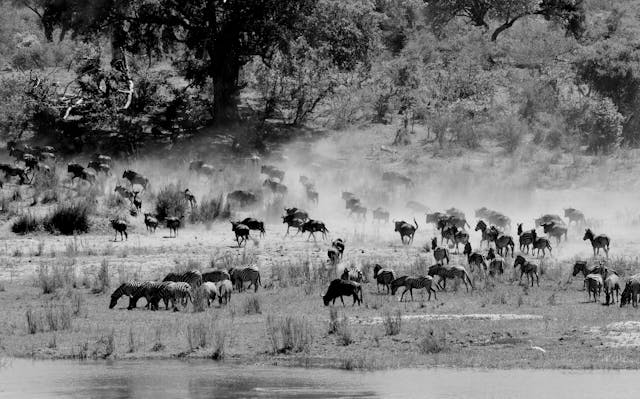
The Great Migration is the largest wildlife movement on Earth, involving over:
- 1.5 million wildebeest
- Hundreds of thousands of zebras
- Thousands of gazelles
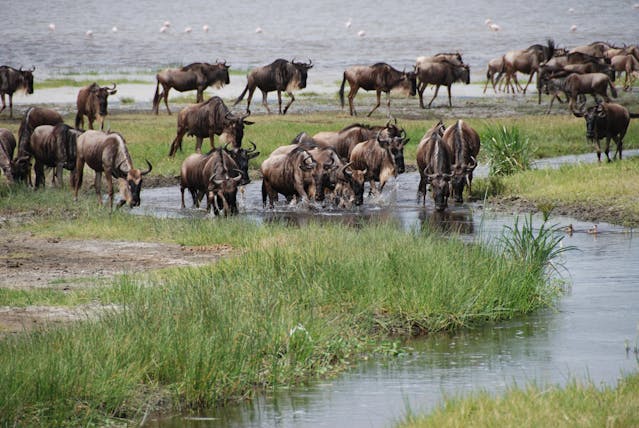
These animals move in a circular pattern between Serengeti National Park and the Masai Mara in search of fresh grazing.
The most dramatic moment?
River crossings — where herds plunge into crocodile-filled rivers
The best time to see the Great Migration in the Masai Mara is from July to October, when over 1.5 million wildebeest and zebras cross the Mara River from Tanzania’s Serengeti. This guide explains when to visit, where to see river crossings, and the best safari tours to witness the migration.
Best Time to See the Migration (REAL TRUTH)

The best time to see the Great Migration in the Masai Mara is from July to October, with peak river crossings occurring between August and September.
- July: Herds begin arriving from the Serengeti
- August – September: Peak river crossings (best time)
- October: Herds spread across the Mara before returning south
For the highest chance of dramatic river crossings, visit between mid-August and mid-September. This is the best time to visit the Masai Mara National Reserve
Expert Insight
- August = highest chance of crossings
- September = best balance (less chaos + still action)
- October = fewer crowds, great viewing
Low Season (April–May)
- Heavy rains
- Fewer tourists
- Lower prices
Key fact:
Migration timing changes every year due to rainfall. Plan your trip with our Kenya Great Migration Safari Tour for the best migration-viewing windows.
Where Do Wildebeest River Crossings Happen in the Masai Mara?

Wildebeest river crossings in the Masai Mara National Reserve occur mainly along two rivers:
Wildebeest river crossings in the Masai Mara mainly occur at:
- Mara River (primary crossing point)
- Talek River (secondary crossings)
These crossings are unpredictable and depend on herd movement and rainfall patterns. Staying near the Mara River significantly increases your chances of witnessing crossings.
However, understanding where exactly crossings happen — and how to position yourself — is what makes the difference between missing the action and witnessing one of Africa’s most dramatic wildlife events.
Mara River (Primary Crossing Zone)
The Mara River is the most famous and active crossing location during the Great Migration.
Key Crossing Areas
- Kichwa Tembo area (western Mara)
- Lookout Hill region
- Serena / Mara Triangle side
- Sand River (border with Serengeti)
These are known “crossing points,” where herds tend to gather before attempting to cross.
What Makes the Mara River Special?
- Deep waters with strong currents
- High concentration of Nile crocodiles
- Steep riverbanks that create dramatic jumps
This is where you see:
- Massive herds hesitating for hours
- Suddenly, chaotic crossings
- Predator ambushes
Expert Insight
Crossings are not random everywhere — they tend to repeat at certain points depending on:
- Water levels
- Grass availability
- Herd pressure
Experienced guides monitor these patterns daily.
Talek River (Secondary Crossings)
The Talek River offers smaller but still exciting crossings.
What to Expect
- Fewer animals compared to the Mara River
- More frequent but less dramatic crossings
- Easier access from central Masai Mara lodges
Why Talek Still Matters
- Great for travellers staying in central Mara
- Less crowded than the Mara River
- Good for photography without heavy traffic
Why Crossings Are Unpredictable
Even in peak season, river crossings are never guaranteed.
Key Factors That Influence Crossings:
- Rainfall patterns in Serengeti National Park
- Grass availability in the Masai Mara
- Herd movement direction
- Predator presence
- Time of day (often midday or afternoon)
Important truth: A herd may gather at the river for hours or even days before crossing — or suddenly cross within minutes.
Wildebeest river crossings in the Masai Mara mainly occur at the Mara River (primary) and Talek River (secondary). The Mara River offers the most dramatic crossings with crocodiles and large herds, while Talek River provides smaller, less crowded viewing opportunities. Staying near the Mara River significantly increases your chances of witnessing crossings.
Best Safari Camps & Lodges During Migration
To get the most out of your safari during the Great Migration, consider staying in camps that are located close to the crossing points:
| Lodge/Camp | Style | Best For |
|---|---|---|
| Mara Serena Safari Lodge | Mid-range | Great views of the Mara River |
| Entim Mara Camp | Luxury | Near crossing points |
| Mara Explorer Camp | Luxury | Family-friendly, scenic |
| Olonana Sanctuary | Ultra-luxury | Riverfront, private access |
| Mara River Camp | Budget | Authentic migration feels |
Want more value? See our Kenya Affordable Safari Guide
What Animals Are Seen During the Great Migration?
During the Great Migration in the Masai Mara, you can see:
- Wildebeest (over 1.5 million)
- Zebras and gazelles
- Lions, cheetahs, and leopards
- Crocodiles during river crossings
- Hyenas and scavengers
Predator activity is highest during migration season.

1. Wildebeest (The Main Stars)
- Over 1.5 million wildebeest move through the Mara
- Travel in massive herds stretching for kilometres
- Constantly grazing and moving in search of fresh grass
These animals are the engine of the migration, driving the entire predator ecosystem.
2. Zebras & Gazelles (The Companions)
- Zebras travel alongside wildebeest for safety
- Thomson’s gazelles and Grant’s gazelles follow behind
Why They Move Together
- Zebras eat longer grass → clear path
- Wildebeest eat shorter grass → follow behind
This creates a natural grazing system, allowing millions of animals to survive together.
3. Predators (Peak Action Season)

Migration season is when predators are most active and visible.
Lions
- Hunt in coordinated groups
- Target weak or isolated animals
- Frequently seen near herds
Cheetahs
- Fastest hunters on open plains
- Often chase gazelles during daylight
Leopards
- More elusive but present
- Often found near riverine forests
Key Insight: Predator sightings increase significantly because prey is abundant.
4. Crocodiles (River Crossing Specialists)
- Large Nile crocodiles live in the Mara River
- Can grow over 5 meters long
- Lie in wait for crossing herds
During crossings:
- Crocodiles ambush from below
- Some crossings turn into intense survival scenes
5. Hyenas & Scavengers
- Hyenas follow herds closely
- Compete with lions for kills
- Feed on leftovers and weak animals
Other Scavengers
- Vultures
- Jackals
- Marabou storks
These species ensure nothing goes to waste in the ecosystem.
6. Other Wildlife You Will See
Even beyond migrating animals, the Masai Mara offers:
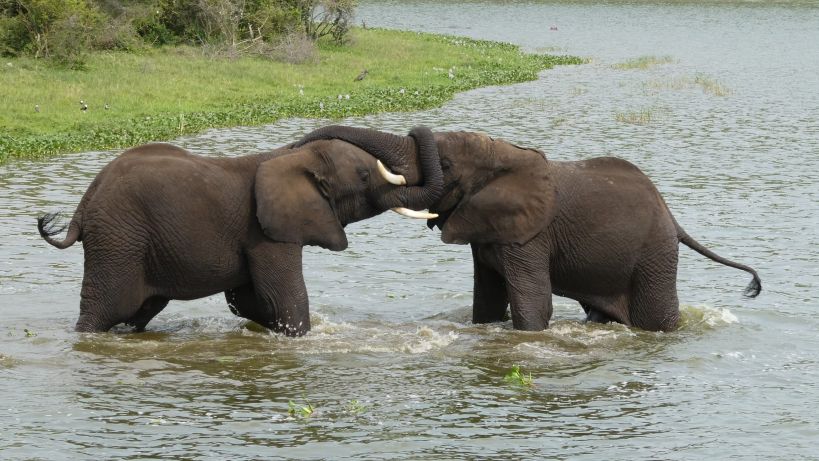
- Elephants
- Giraffes
- Buffalo
- Warthogs
- Topi and Eland
This makes it one of the best places in Africa to see the Big Five.
Why Migration Season Is So Special
The Great Migration is not just about numbers — it’s about interaction:
- Predator vs prey
- Survival vs instinct
- Life and death in real time
Expert Insight
During migration season:
- Predator density increases
- Hunting frequency rises
- Wildlife sightings are more dramatic and frequent
This is why migration safaris are considered the best wildlife experience in Africa.
During the Great Migration in Masai Mara, you can see wildebeest, zebras, and gazelles moving in large herds, along with predators such as lions, cheetahs, and leopards. Crocodiles are commonly seen during river crossings, while hyenas and vultures act as scavengers. Predator activity is highest during migration season due to the abundance of prey.
How Many Days Do You Need for a Masai Mara Migration Safari?
You need at least 3 to 4 days in the Masai Mara to properly experience the migration.
- 3 days → good chance of sightings
- 4–5 days → higher chance of river crossings
More days = better chances due to unpredictability.

To properly experience the Great Migration in the Masai Mara National Reserve, you should plan for a minimum of 3 to 4 days — but the ideal duration depends on what you want to see.
The key factor is unpredictability — animals don’t follow a fixed schedule, so more time significantly increases your chances of witnessing dramatic events like river crossings.
Recommended Safari Duration
3 Days (Minimum Recommended)
- Good chance of seeing large herds
- Possible predator sightings
- Limited time for tracking crossings
Best for:
- Short trips
- Budget travelers
- First-time safari with limited time
Limitation: You may miss river crossings if the timing is not right.
4–5 Days (Best Balance)
- Higher chance of witnessing river crossings
- More flexibility to track herd movement
- Better overall wildlife experience
Best for:
- Most travelers
- Wildlife enthusiasts
- First-time visitors wanting full experience
6–7 Days (Premium Experience)
- Maximum chance of seeing river crossings
- Ability to explore multiple regions (Mara Triangle + central Mara)
- Relaxed pace with deeper exploration
Best for:
- Photographers
- Luxury travelers
- Migration-focused safaris
Why More Days Matter
The migration does not follow a timetable.
What Happens in Reality:
- Herds gather at the river for hours or days
- Crossings can happen suddenly — or not at all
- Animals may move overnight to different areas
Time vs Experience Comparison
| Days | Experience Level | River Crossing Chances |
|---|---|---|
| 2 days | Limited | Very low |
| 3 days | Good | Moderate |
| 4–5 days | Excellent | High |
| 6+ days | Premium | Very high |
WHAT ACTUALLY WORKS
To maximise your chances:
-
Stay Near the Mara River
Shorter distances = faster access to crossings
-
Plan Full-Day Game Drives
Allows flexibility to follow herd movement
Travel During Peak Season
- Best: August–September
- Good: Late July & October
-
Use an Experienced Guide
Guides:
- Track herd movements
- Communicate with other guides
- Position you at the right place at the right time
Common Mistake
Many travellers book 2-night safaris, thinking it’s enough.
Reality:
- Too short
- Very low chance of crossings
- Rushed experience
Note: Combine the Masai Mara with another park:
Example:
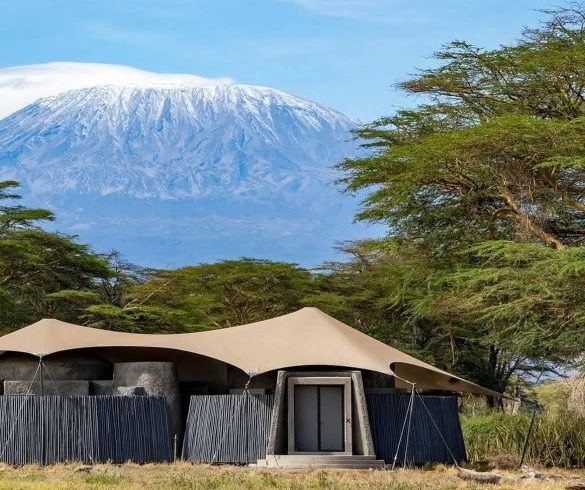
- Amboseli National Park (elephants + Kilimanjaro)
- Lake Nakuru National Park (rhinos)
This ensures:
- A complete safari experience
- Not relying only on migration
You need at least 3 to 4 days in the Masai Mara to experience the Great Migration. Three days offer a good chance of seeing herds, while 4–5 days significantly increase your chances of witnessing river crossings. More days improve your experience due to the unpredictable nature of animal movement.
Typical Wildebeest Migration Safari Itinerary (7 Days)
Day 1: Arrive in Nairobi – Overnight in a luxury city hotel
Day 2: Flight or drive to Masai Mara – Afternoon game drive
Day 3–5: Full-day migration safaris + optional hot air balloon ride
Day 6: Cultural visit to a Maasai village + nature walk
Day 7: Return to Nairobi for departure or beach extension to Diani
We also offer combined Kenya-Tanzania migration safaris. Contact us for a custom itinerary.
How Much Does a Masai Mara Migration Safari Cost?
A Masai Mara migration safari cost varies depending on travel style, season, and level of comfort.
| Safari Type | Price Per Person (USD) |
|---|---|
| Budget (Group) | $1,200 – $1,800 |
| Mid-Range | $2,200 – $3,000 |
| Luxury | $3,800 – $6,000+ |
What Affects the Cost?
Several key factors influence the total price:
- Time of booking (peak season vs low season)
- Lodge location (closer to Mara River = higher cost)
- Safari type (shared vs private vehicle)
- Domestic flights vs road transfers
Want a complete cost breakdown, including hidden fees, park charges, and real safari pricing examples?
Explore our detailed guide: Ultimate Kenya Safari Cost Breakdown 2025–2027
How to Plan a Great Migration Safari in Masai Mara (Step-by-Step Guide)

Planning a migration safari in the Masai Mara National Reserve is all about timing, location, and smart logistics. Follow this field-tested plan to maximise your chances of seeing river crossings and predator action.
1) Choose the Right Dates (Most Important)
Best window: July–October
- Mid-Aug → Mid-Sept: highest chance of river crossings
- Late July & October: good sightings, fewer crowds
Reality check: movement depends on rain in Serengeti National Park, so flexibility helps.
2) Pick the Right Area (Location = Results)
Stay close to the Mara River:
- Mara Triangle (west side)
- Kichwa Tembo / Serena / Lookout Hill areas
- Sand River (southern border)
Shorter drives = faster access when crossings start.
3) Decide Your Safari Style
- Budget (group): shared vehicle, good value
- Mid-range: comfortable camps, best balance
- Luxury: prime locations, fewer vehicles, premium service
During migration, the location of the camp matters more than the star rating.
4) Plan the Ideal Duration
- 3 days: see herds, moderate chance of crossings
- 4–5 days: best balance (higher crossing probability)
- 6+ days: premium experience, explore multiple regions
More days = more opportunities (crossings are unpredictable).
5) Choose Road vs Fly-In
- Road (5–6 hrs from Nairobi): budget-friendly, scenic
- Fly-in (45–60 min): saves time, more game drives
If your focus is migration, fly-in is worth it.
6) Book Early (Peak Season Fills Fast)
- July–Sept: book 6–12 months in advance
- River-area camps sell out first
7) Work With an Experienced Guide
Great guides:
- Track herd movement daily
- Use radio networks to locate crossings
- Position you ahead of the action
This is often the difference between seeing a crossing and missing it.
8) Plan Your Game Drive Strategy
- Early morning: predators are active
- Midday–afternoon: common crossing window
- Full-day drives: best for migration tracking
9) Budget Smartly
Typical ranges (per person):
- Budget: $1,200 – $1,800
- Mid-range: $2,200 – $3,500
- Luxury: $4,000 – $8,000+
For a full breakdown (parks, lodges, flights), see: Ultimate Kenya Safari Cost Breakdown 2025–2027
10) Pack for Conditions
- Neutral colors (khaki/green)
- Light layers (cool mornings, warm afternoons)
- Binoculars + camera (fast shutter)
- Sun protection (hat, SPF)
11) Add Smart Extras
- Hot air balloon safari: aerial view of herds
- Mara + other parks combo:
- Amboseli National Park (elephants & Kilimanjaro)
- Lake Nakuru National Park (rhinos)
Ensures a complete safari even if crossings are quiet.
Common Mistakes to Avoid
- Booking 2 nights only (too short)
- Staying far from the river
- Expecting guaranteed crossings
- Choosing based on price only (not location)
Pro Tips (From the Field)
- Crossings often happen after long hesitation—patience wins
- The Mara Triangle usually has fewer vehicles
- A private vehicle gives flexibility to stay longer at a crossing
To plan a Great Migration safari in Masai Mara, visit between July and October (best: mid-August to mid-September), stay near the Mara River, spend 4–5 days, use an experienced guide, and book 6–12 months in advance. Choosing the right location and duration significantly increases your chances of witnessing river crossings.
Balloon Safari Over the Mara
One of the most unforgettable ways to witness the migration is from above. Hot air balloon safaris take off at dawn and offer breathtaking views of herds, predators, and landscapes.
-
Cost: $450–$550 per person
-
Includes a champagne breakfast & certificate
-
Best months: July to September
What’s Included in Migration Safari Packages?
-
Accommodation (full board)
-
Park fees for Masai Mara
-
Game drives (morning + afternoon)
-
Transfers (road or domestic flights)
-
Professional guide
-
Optional activities (balloon, village visit)
Some packages include Nairobi hotel & airport transfers.
Group and family discounts available.
Wildlife Beyond the Wildebeest
Though the wildebeest steal the show, the Masai Mara during migration is home to:
-
Big Cats: Lions, cheetahs, leopards
-
Elephants, giraffes, and buffalo
-
Nile crocodiles at crossing points
-
Hyenas and jackals follow the herds
-
500+ bird species
Safari Travel Tips for Migration Season
-
Book early (6–12 months in advance) for riverside lodges
-
Pack neutral clothing, a hat, sunscreen, and binoculars
-
Travel with a reputable local operator like Paradise Africa Safari
-
Consider adding a beach escape to Diani or Watamu after the safari
-
Check health requirements via the CDC Kenya Travel Page
FAQ
1. When is the best time to see the wildebeest migration in Masai Mara?
The best time is from July to October, when the herds cross the Mara River. August and September typically offer the most dramatic river crossings.
2. How long should I spend in Masai Mara during migration season?
A minimum of 3 nights is recommended. Ideally, spend 4–6 nights to increase your chances of witnessing a river crossing and exploring different zones of the reserve.
3. What is the cost of a migration safari in Masai Mara?
Safari costs range from $1,400 for budget trips to $6,000+ for luxury packages, depending on lodge type, transport (road vs air), and season.
4. Can I witness the migration on a family safari?
Yes! Family migration safaris are popular and safe. Many lodges offer child-friendly accommodations, and game drives can be tailored to suit all ages.
5. Is a balloon safari worth it during the migration?
Absolutely. Balloon safaris give you a bird’s-eye view of massive herds and predators at dawn. Prices range between $450–$550 per person and include a champagne breakfast.
Why Book Your Migration Safari With Us?
-
Local expertise with real-time migration tracking
-
Handpicked lodges for the best river viewing
-
Private and group packages available
-
Flexible rescheduling and family-friendly options
-
Rated 4.9/5 on TripAdvisor
Get in touch today to reserve your Masai Mara Migration Safari 2025, 2026, or 2027 and experience one of nature’s greatest shows.
What Previous Travelers Say About Our Great Migration Safaris
⭐⭐⭐⭐⭐ Incredible River Crossing Experience
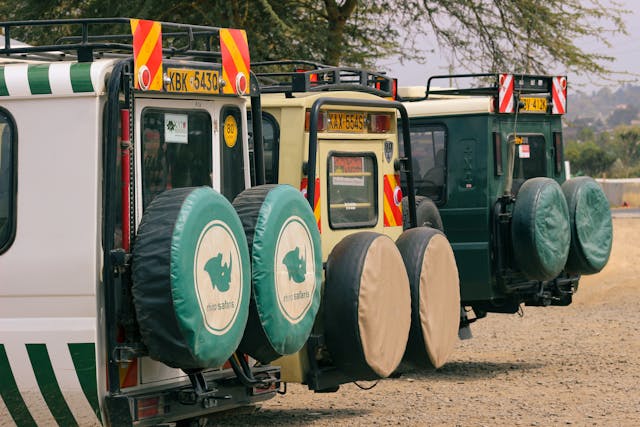
“Our safari with Paradise Africa Safaris exceeded all expectations. John and his team positioned us perfectly near the Mara River, where we witnessed hundreds of wildebeest crossing while crocodiles waited in the water. It was one of the most dramatic wildlife scenes we have ever experienced. The guide was extremely knowledgeable and knew exactly where the herds were moving. Everything from the vehicle to the lodge was perfectly arranged.”
— Sarah & Michael, United Kingdom
⭐⭐⭐⭐⭐ A Dream African Safari
“We had always dreamed of seeing the Great Migration, and Paradise Africa Safaris made it unforgettable. Our guide tracked the herds daily, and we managed to see several river crossings during our stay. The Masai Mara landscape was breathtaking, and the wildlife viewing was incredible. The entire trip was very well organized and we felt safe and well taken care of throughout the safari.”
— David L., Canada
⭐⭐⭐⭐⭐ Perfectly Organised Migration Tour
“This was our first time in Kenya, and we chose Paradise Africa Safaris for a migration safari in the Masai Mara. From the moment we arrived, everything was handled professionally. Our guide had amazing knowledge of wildlife behavior and we saw lions, cheetahs, elephants, and thousands of wildebeest moving across the plains. Watching the river crossing was truly a once-in-a-lifetime experience.”
— Elena R., Spain
⭐⭐⭐⭐⭐ Amazing Wildlife and Great Guides
“The migration safari was absolutely incredible. The vehicle was comfortable and perfect for photography, and our guide knew exactly where to go to see the action. We watched a massive herd crossing the Mara River and later spotted several predators nearby. Paradise Africa Safaris did a fantastic job planning every detail of the trip.”
— Thomas & Julia, Germany
⭐⭐⭐⭐⭐ Best Safari Experience in Africa
“Our family safari during the migration season was beyond amazing. We saw thousands of wildebeest moving across the savannah and even witnessed a dramatic river crossing. The guides were very friendly and shared so much knowledge about the animals and the ecosystem. We highly recommend Paradise Africa Safaris to anyone planning a migration safari.”
— Laura M., Australia
⭐⭐⭐⭐⭐ Truly Unforgettable Adventure
“The Great Migration was one of the most incredible wildlife events we have ever seen. Paradise Africa Safaris organised an exceptional trip and ensured we were in the right place at the right time to witness the herds crossing the Mara River. The lodges were excellent, and the safari vehicle allowed great views for photography.”
— Mark & Linda, USA
Why book with Paradise Africa Safaris
Book with Paradise Africa Safaris for expertly designed, tailor-made safaris led by experienced local guides. We are a fully licensed operator offering transparent pricing, reliable service, and unforgettable wildlife experiences across Kenya and East Africa.